Nepal Travel Safety 2026: Is Nepal Safe to Visit After the Flash Floods?

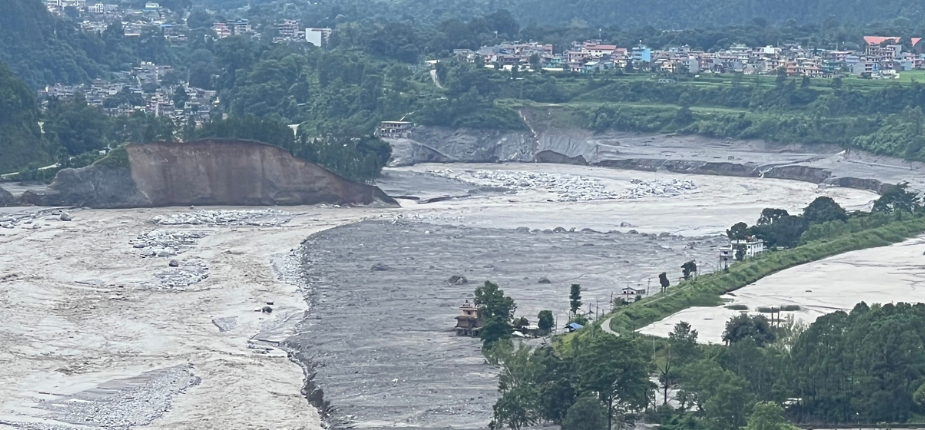
The mountainous country Nepal remains an attractive destination for travelers in 2026, but recent flash floods, landslides and extreme rainfall have created additional challenges for visitors. Travelers planning a trip to Nepal should not assume that conditions are the same across the entire country. Weather and road conditions can vary significantly between regions.
So, is Nepal safe to visit after the flash floods? The answer depends largely on where you are traveling, when you are traveling, and how flexible your itinerary is.
Recent heavy rainfall has caused flooding, landslides and damage to roads and infrastructure in several parts of Nepal. Authorities have continued to warn about further flooding and landslides, particularly when heavy rain occurs.
What Happened in Nepal in 2026?
Nepal has experienced several serious weather-related incidents during the 2026 monsoon season. In August, major flash flooding and mudslides affected areas near the Nepal-China border and caused substantial damage to roads, transportation networks and other infrastructure.
More recently, heavy rainfall in September triggered additional floods and landslides. International reporting on September 28 noted further weather-related deaths, damaged homes and continuing concerns about rising river levels in parts of Nepal.
These events highlight an important point for travelers: Nepal is not uniformly affected by flooding. A disruption in one district does not necessarily mean that Kathmandu, Pokhara or every trekking region is inaccessible.
Is Nepal Safe to Visit Now?
Travelers should exercise greater caution than usual, particularly during periods of heavy rainfall.
Australia’s official Smartraveler advice currently recommends exercising a high degree of caution in Nepal because of natural-disaster and road-accident risks. It specifically advises reconsidering travel to certain flood-affected areas around the Bhote-Koshi and Trishuli rivers and several surrounding districts.
The UK government also warns that Nepal’s monsoon season, normally June to October, can make road travel hazardous because floods and landslides can make roads impassable and temporarily cut off communities.
Therefore, the most sensible approach is not to cancel every trip to Nepal automatically, but to check the specific destination and transportation route immediately before traveling.
Which Travel Risks Should Visitors Consider?
-
Road conditions
Road travel is one of the most important concerns during and immediately after heavy rainfall. Landslides can block highways, while swollen rivers can damage bridges and roads.
Routes connecting Kathmandu with Pokhara, Chitwan and trekking trailheads can experience delays or temporary closures during severe weather.
Travelers should allow extra time in their itinerary and avoid planning important international flights immediately after a long mountain road journey.
-
Trekking and hiking
Trekking conditions can change rapidly during periods of heavy rain. Landslides, rockfalls, swollen streams and slippery trails can create hazards.
The UK government advises trekkers to monitor weather conditions, use reputable trekking agencies or guides, and ensure that travel insurance covers mountain rescue and helicopter evacuation where appropriate.
For trekkers, local information is extremely important. A trail that was open yesterday may become temporarily unsafe following heavy rainfall.
-
Flash floods and rivers
Visitors should stay away from riverbanks, bridges over rapidly flowing rivers and flood-affected areas during periods of heavy rainfall.
Do not attempt to cross a flooded road or stream simply because other people appear to be doing so. Water levels can rise extremely quickly.
Australia’s current travel advice specifically recommends avoiding flood-affected areas and waterways and moving to higher ground when necessary.
What Should Tourists Do Before Traveling to Nepal?
If you are planning a Nepal trip in 2026, consider these simple precautions:
- Check the weather forecast before departure.
- Check road and trail conditions with your hotel, trekking agency or local operator.
- Keep at least one or two flexible days in your itinerary.
- Avoid unnecessary travel during periods of extreme rainfall.
- Carry appropriate rain protection and waterproof bags.
- Keep your passport and important documents in a waterproof container.
- Purchase comprehensive travel insurance.
- Make sure trekking insurance includes emergency evacuation where relevant.
- Avoid walking beside swollen rivers or streams.
- Follow instructions from local authorities.
- Keep your family or friends informed about your itinerary.
Should You Postpone Your Nepal Trip?
There is no single answer for every traveler.
If your itinerary involves areas currently experiencing flooding, landslides or damaged roads, postponing or changing that portion of the journey may be sensible.
However, if your destination and transportation routes are operating normally, your travel operator confirms that conditions are suitable, and you remain flexible, your trip may still be possible.
This is particularly important because conditions can change quickly during the monsoon transition. Official travel advice emphasizes checking conditions immediately before traveling rather than relying solely on information from several days earlier.
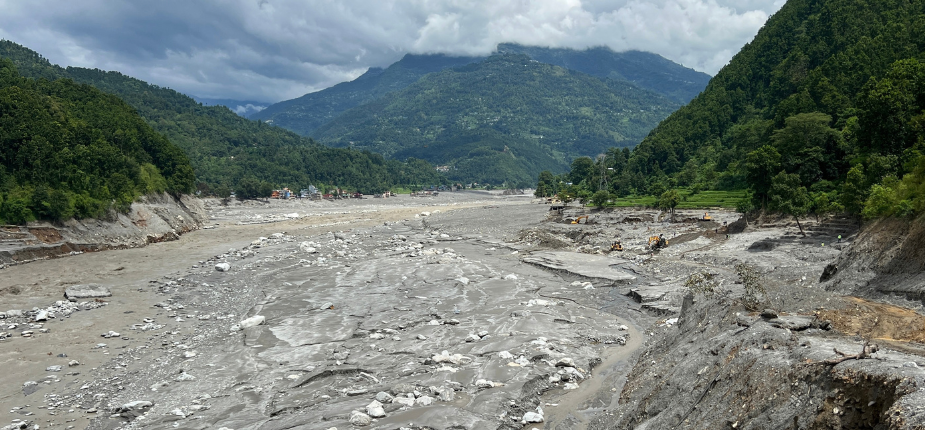
Responsible Travel After the Floods
Travelers can also play a positive role in Nepal’s recovery.
Consider staying at locally owned hotels, eating at local restaurants, hiring licensed local guides and using local transportation where conditions permit. Your spending can support communities whose businesses depend heavily on tourism.
At the same time, visitors should avoid treating disaster-affected communities as tourist attractions. If an area has experienced flooding or loss of life, respect local residents and follow instructions from authorities.
Final Thoughts: Nepal Travel Safety 2026
Nepal travel safety in 2026 requires awareness rather than panic. Recent flash floods and landslides have demonstrated the risks associated with extreme weather, particularly during the monsoon season.
Nepal remains a diverse country, and weather conditions can differ dramatically between regions. The safest approach is to check current local conditions, remain flexible, use experienced local operators and avoid affected areas when authorities advise against travel.
For trekkers and adventure travelers, good preparation is especially important. A flexible itinerary, reliable local information, appropriate insurance and respect for weather warnings can make a significant difference.
Before traveling, always check the latest official weather, flood and travel advisories. Conditions can change rapidly, and information that was accurate yesterday may not reflect today’s situation.
If you are planning to visit Nepal in late 2026, the best question is not simply “Is Nepal safe?” but rather: “Is my specific destination and route safe for my travel dates?” That is the information travelers should verify before departure.