Why Langtang Is the Best Trek Near Kathmandu

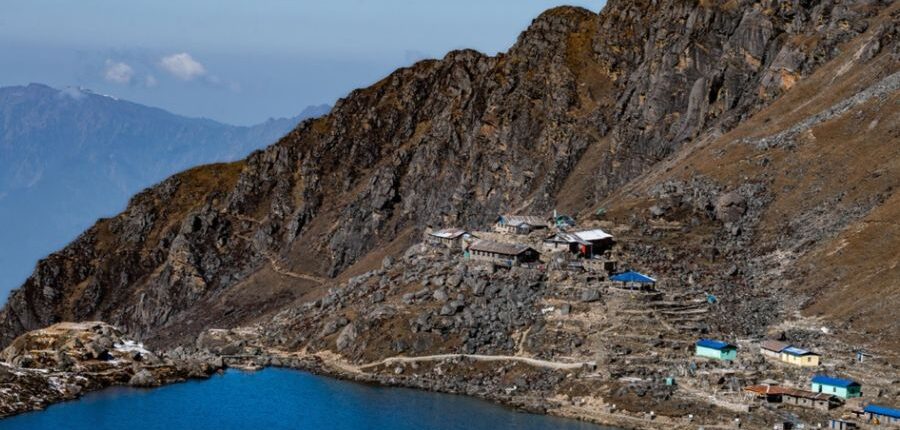
Are you thinking of trekking in Langtang? If so, forget the crowded routes for a moment. The Langtang Trek is Nepal’s best-kept secret—a magnificent, accessible, and deeply rewarding journey nestled closer to Kathmandu than any other major trekking destination.
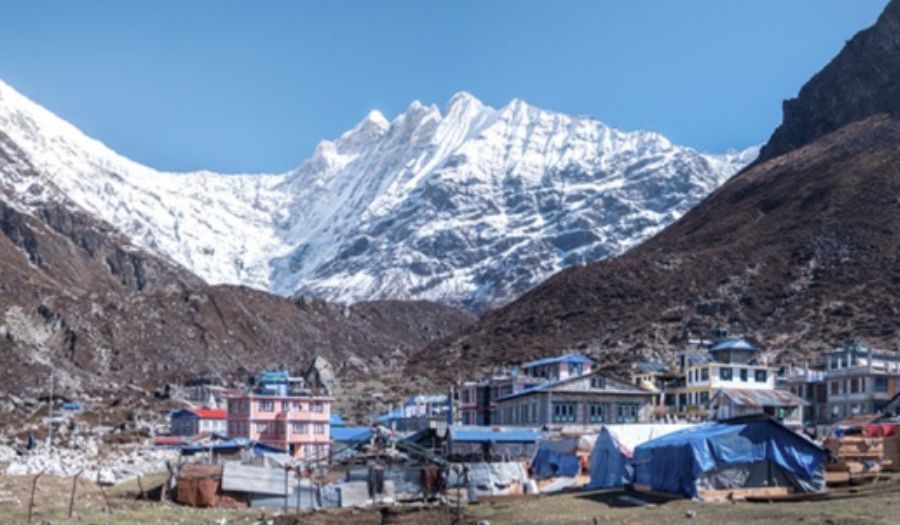
Known as the “Valley of Glaciers,” Langtang offers the quintessential Nepali experience: towering snow-capped mountains, rich Tamang culture, and diverse biodiversity—all without the need for expensive domestic flights or the massive crowds found on the Annapurna and Everest trails.
Let’s dive into the talk about why Langtang isn’t just a trek; it’s arguably the best trek near Kathmandu for the discerning international traveler looking for maximum impact in minimal time and budget.
No Costly & Stressful Domestic Flights
For travelers with limited time or a budget to watch, Langtang provides an immediate and undeniable edge over Nepal’s two most famous treks. This is where Langtang truly stands out as the smart choice.
Unlike the Everest Base Camp (EBC) Trek, which requires an expensive and weather-dependent flight to Lukla, the Langtang Trek starts with a scenic road journey.
- Road Access: The trail starts from Syabrubesi, which is easily reached by a 6-9 hour drive from Kathmandu via local bus or shared jeep.
- Cost Savings: By avoiding a flight (which can cost hundreds of dollars and lead to stressful delays), you save significant money and eliminate a major logistical hurdle.
- Time Efficiency: While the drive is long, it’s a guaranteed way to reach the trailhead, meaning you spend more time trekking and less time waiting in a Kathmandu airport lobby.
The Perfect Duration for a High-Altitude Hit
Many European and North American travelers have only 10 to 14 days of holiday time. The classic Langtang Valley Trek can be completed in 7 to 10 days round-trip.
- Short but Sweet: In just over a week, you ascend through rhododendron forests, pass resilient Tamang villages, and reach the stunning alpine meadows surrounding Kyanjin Gompa (3,870 m).
- High Viewpoints: You still get incredible high-altitude experiences, with optional day trips to viewpoints like Tserko Ri (4,984 m), offering panoramic views of peaks like Langtang Lirung (7,227 m).
Authentic Culture & Serene Trails
If your idea of a Himalayan trek includes quiet contemplation and genuine cultural immersion rather than fighting for space on the trail, Langtang is calling your name.
Escape the Crowds for True Solitude
The Annapurna and Everest trails are busy ecosystems, particularly during peak seasons. Langtang offers a refreshingly peaceful alternative.
- Off-the-Beaten-Path Vibe: Despite its proximity to the capital, the Langtang Trek is less commercialized. You are far more likely to share the path with local yak herders than with hundreds of other international trekkers.
- Genuine Tamang Culture: The region is the homeland of the Tamang people, a community with deep roots in Tibetan Buddhism. You will experience their culture firsthand: walking past ancient mani walls, spinning prayer wheels, and finding genuine warmth and hospitality in the family-run teahouses.
Resilience and Community Spirit
The Langtang area was tragically affected by the 2015 earthquake. Trekking here today is more than just a holiday—it’s an act of solidarity. The rebuilt villages and the vibrant community spirit are inspiring, providing a powerful, authentic layer to your adventure that goes beyond mere sightseeing.
What You Need to Know: Planning Your Langtang Adventure
Once you decide that Langtang is your ideal destination, here are the essential practical details you need to ensure a smooth, safe, and incredible journey.
The Best Time to Visit (Peak & Quiet Seasons)
Choosing the right season will dramatically affect your visibility, temperature, and trail conditions.
- Autumn (September to November): The Best Time. Stable weather, mild temperatures, and exceptionally clear skies guarantee the most stunning mountain views. Expect moderate crowds, especially in October.
- Spring (March to May): Excellent choice. Warmer days and the spectacular bloom of rhododendron forests add vibrant color to the landscape. Early spring can still be cold at altitude, but late spring offers perfect conditions.
Permits and Logistics
Like all major treks in Nepal, you need a few entry documents:
- Langtang National Park Entry Permit: Required, as the entire route passes through the National Park.
- TIMS Card (Trekkers’ Information Management System): Mandatory for all foreign trekkers.
- Guide Requirement: The current policy in Nepal mandates that all foreign trekkers must hire a government-licensed guide or travel through a registered agency. Solo trekking is no longer permitted for safety reasons.
Essential Trekking Gear
Since Langtang reaches altitudes near $4,000\text{m}$ (with optional climbs higher), a good layering system is crucial.
- Footwear: Waterproof, broken-in trekking boots.
- Layers: Thermal base layers, a fleece jacket, and a waterproof/windproof outer shell.
- Warmth: A high-quality down jacket and a sleeping bag rated to at least -10 degrees for cold nights.
- Safety & Health: High-SPF sunscreen, sunglasses (essential at altitude), a headlamp, and water purification tablets/filter.
Langtang Trekker FAQs
Frequently Asked Questions for International Trekkers
Q: How difficult is the Langtang Trek?
A: The Langtang trek difficulty is considered moderate. It involves steady, steep ascents and descents with long days (5-7 hours of walking). While non-technical, a good level of physical fitness is required. It is an excellent choice for first-time high-altitude trekkers because the maximum overnight altitude is lower than EBC.
Q: Do I need to worry about altitude sickness (AMS)?
A: Yes, anytime you trek above 3,000 m, AMS is a risk. However, the Langtang Valley itinerary is typically structured for safe, gradual ascent. Always hydrate well (3-4 liters daily), walk at a slow, comfortable pace, and never ascend if you feel symptoms (headache, nausea).
Q: What is the accommodation like?
A: You stay in family-run teahouses. Rooms are basic but clean, usually with twin beds and shared bathrooms. Expect limited access to Wi-Fi and hot showers (often available for a small fee), especially as you gain altitude. The common dining halls are warm and social hubs.
Q: How much cash should I carry?
A: There are no ATMs after Kathmandu. Budget around $40 – $60 USD per day for meals, accommodation, snacks, and extra services (hot showers, charging, and Wi-Fi). This is separate from your guide/porter costs, which should be paid in Kathmandu or agreed upon in advance.
Your Unforgettable Himalayan Choice
The Langtang Valley offers a compelling argument for being the best trek near Kathmandu. It delivers the stunning panoramic views, the deep cultural insight, and the profound sense of accomplishment that defines a Himalayan adventure, but without the financial strain or the logistical nightmares of its more famous counterparts.
Ready to find your peace in the “Valley of Glaciers”? Contact a local Nepali agency to start tailoring your perfect Langtang adventure today!