Maha Shivaratri at Pashupatinath: Where Faith, Fire and Pilgrimage Meet in Kathmandu

For many travelers, Nepal is synonymous with the towering white walls of the Himalayas. But once a year, the spiritual gravity of the country shifts from the high ridges of Everest down to the misty banks of the Bagmati River in Kathmandu. On this day—Sunday, February 15, 2026—Nepal celebrates Maha Shivaratri, the “Great Night of Shiva.”
For an adventure seeker or a curious trekker, Shivaratri at the Pashupatinath Temple is not just a religious festival; it is a profound immersion into the raw, beating heart of Hindu mysticism. It is a spectacle where the line between the ancient world and the modern one simply vanishes.
More than just a religious festival, Maha Shivaratri at Pashupatinath is a powerful gathering of faith, devotion, mysticism, and living heritage. It draws tens of thousands of pilgrims, holy men, and international visitors, transforming the temple complex into a vibrant spiritual landscape.
The Significance of Maha Shivaratri
Maha Shivaratri, meaning “The Great Night of Shiva,” is celebrated across Nepal and India with fasting, night-long vigils, prayers, and temple visits. Devotees believe that on this sacred night, Lord Shiva performed the cosmic dance of creation and destruction. It is also associated with the divine marriage of Shiva and Parvati.
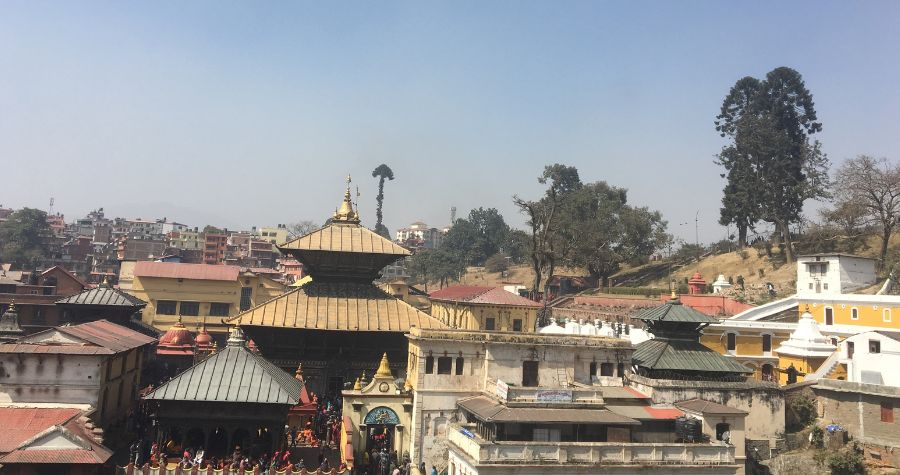
In Nepal, no place celebrates the festival with more grandeur than Pashupatinath, the country’s most revered Hindu shrine. The temple is dedicated to Lord Pashupati, a manifestation of Shiva as the protector of all living beings.
For Nepalis, attending Maha Shivaratri at Pashupatinath is considered highly auspicious. Devotees queue for hours—sometimes throughout the night—to offer prayers, milk, water, and sacred leaves to the Shiva Lingam inside the main temple.
Influx of Holy Men and Pilgrims
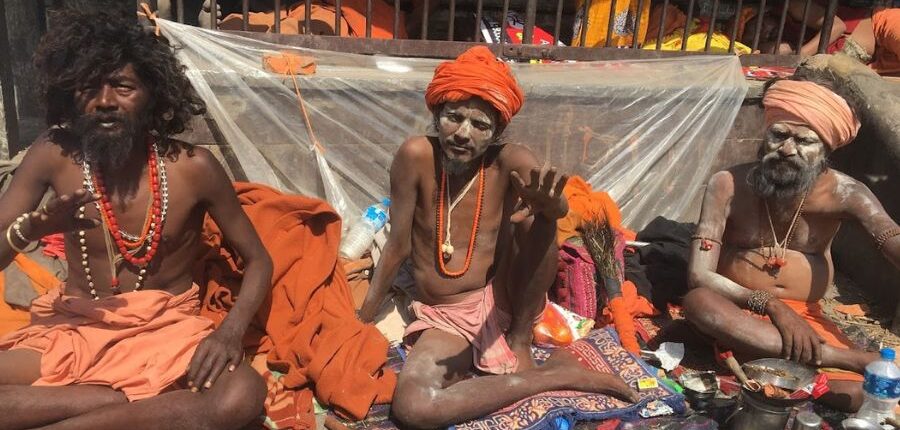
One of the most fascinating aspects of Maha Shivaratri in Kathmandu is the arrival of thousands of sadhus (Hindu holy men), especially from India. These ascetics travel from sacred cities such as Varanasi, Haridwar, and other parts of the Indian subcontinent to gather at Pashupatinath.
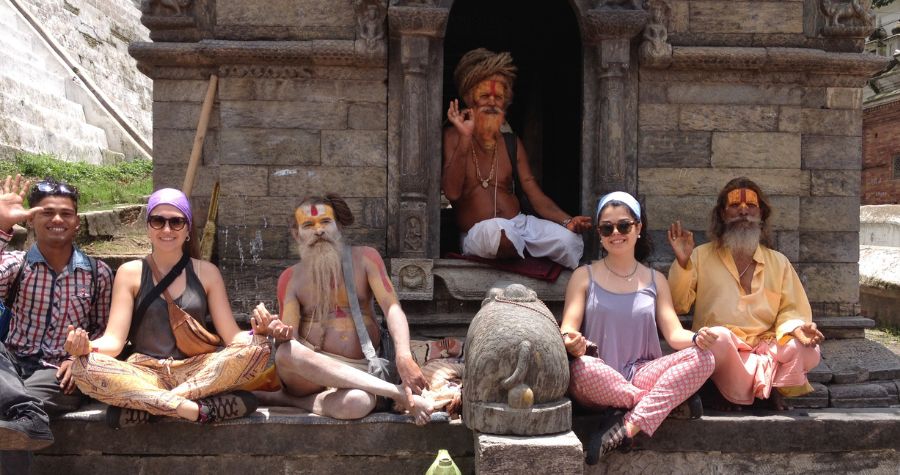
Recognizable by their ash-covered bodies, matted hair, saffron robes, and tridents, sadhus create a visually striking and spiritually intense atmosphere. Some meditate in silence, others chant mantras, while many bless devotees and pose for photographs.
Pilgrims also arrive from across Nepal—from the Terai plains to the Himalayan foothills. Buses, motorcycles, and even foot caravans bring people to Kathmandu, creating a remarkable national movement centered on devotion.
For international travelers, this convergence of holy men and pilgrims offers a rare opportunity to witness living spiritual traditions that have continued for centuries.
A Festival of Light, Fire, and Devotion
During Maha Shivaratri, the entire Pashupatinath area becomes illuminated with oil lamps, candles, and sacred fires. Devotees light small clay lamps (diyo) along the temple pathways and the banks of the Bagmati River.
Bonfires burn throughout the night, symbolizing purification and spiritual awakening. Many devotees observe a strict fast, consuming only fruits or water, and stay awake chanting “Om Namah Shivaya” until dawn.
Cultural programs, devotional music (bhajans), and traditional dances often take place in the surrounding areas. The festival blends solemn worship with communal celebration.
Despite the large crowds, the spiritual energy feels deeply personal. Many visitors describe the experience as powerful, humbling, and transformative.
Exploring the Pashupatinath Premises
For travelers visiting outside the main festival day—or even during it with proper planning—the Pashupatinath complex offers much more than the central temple.
The UNESCO-listed heritage site includes:
- Numerous smaller temples dedicated to different Hindu deities
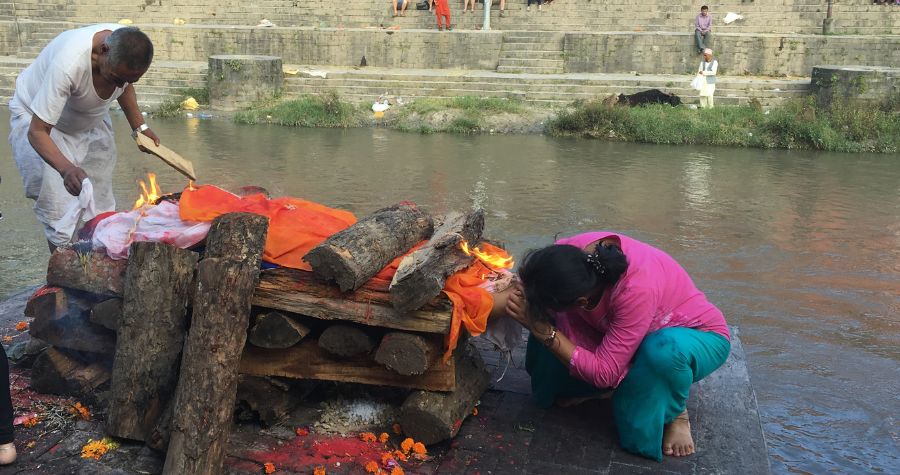
- Sacred cremation ghats along the Bagmati River
- Stone shrines and ancient statues
- Forested areas and peaceful walking paths
- Monasteries and meditation spaces
While non-Hindus cannot enter the inner sanctum of the main temple, they are welcome to explore the surrounding premises and observe rituals respectfully from designated areas.
The cremation ghats, though solemn, offer a profound insight into Hindu beliefs about life, death, and rebirth. For culturally curious travelers, this experience often becomes one of the most meaningful moments of their journey in Nepal.
Why It Matters for Adventure Travelers and Trekkers
Many visitors come to Nepal primarily for trekking in the Himalayas, wildlife safaris, rafting, or mountaineering. However, combining adventure with cultural immersion adds a deeper dimension to the journey.
Experiencing Maha Shivaratri before or after a trek provides:
- Insight into Nepal’s spiritual identity
- A chance to connect with local traditions
- A broader understanding of the country beyond mountains
- Unique photography opportunities
- Meaningful cultural storytelling for travelers
Kathmandu often serves as the gateway to trekking regions like Everest, Annapurna, and Langtang. Timing your visit around Maha Shivaratri allows you to witness one of Nepal’s grandest religious gatherings before heading into the Himalayas.
Practical Tips for Visitors
If you plan to attend Maha Shivaratri at Pashupatinath:
- Arrive early to avoid the largest crowds.
- Dress modestly and respectfully.
- Be mindful when photographing sadhus—ask permission when possible.
- Follow local guidelines and security instructions.
- Expect traffic congestion in Kathmandu on festival day.
Accommodation fills quickly during this period, so advance booking is recommended.
A Living Spiritual Experience
Maha Shivaratri at Pashupatinath is not staged for tourists—it is an authentic, living expression of faith. The sounds of temple bells, chanting priests, crackling fires, and devotional songs create an atmosphere that lingers long after the festival ends.
For travelers seeking more than scenic landscapes, this celebration offers a deeper connection to Nepal’s cultural soul. Whether you are a trekker preparing for the Himalayas, a volunteer exploring local communities, or an adventurer passing through Kathmandu, witnessing Maha Shivaratri can become a defining memory of your Nepal journey.
In the sacred glow of lamps along the Bagmati River, surrounded by pilgrims and holy men, you will understand why Pashupatinath remains one of South Asia’s most powerful spiritual centers.
And in that moment, Nepal becomes more than a destination—it becomes an experience of devotion, tradition, and timeless faith.