The Fake Helicopter Rescue Scam in Nepal’s Himalayas: How Trekkers Are Being Exploited

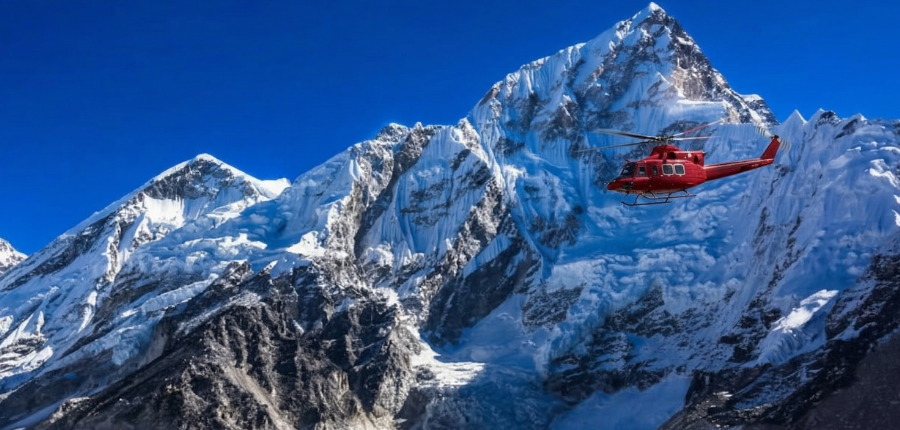
Nepal is home to some of the most spectacular trekking routes on Earth. Every year, thousands of international travelers arrive to explore the breathtaking landscapes of the Himalayas, trekking through iconic regions such as Everest Base Camp and the Annapurna Circuit. These journeys promise adventure, cultural discovery, and unforgettable views.
However, alongside the beauty and excitement of Nepal trekking, a controversial issue has emerged in recent years: fraudulent helicopter rescue practices in the mountains. While helicopter evacuations are an essential part of Himalayan rescue operations, some cases have raised concerns about misuse, insurance fraud, and the long-term impact on Nepal’s tourism reputation.
This article explores how the system works, where the problems arise, and why responsible trekking and transparency are crucial for the future of Nepal’s tourism industry.
Why Helicopter Rescues Are Important in the Himalayas
Trekking in the Himalayas is not without risk. High altitudes, unpredictable weather, and remote terrain can make medical emergencies difficult to manage.
Conditions such as Acute Mountain Sickness or severe injuries may require rapid evacuation to hospitals in Kathmandu or Pokhara.
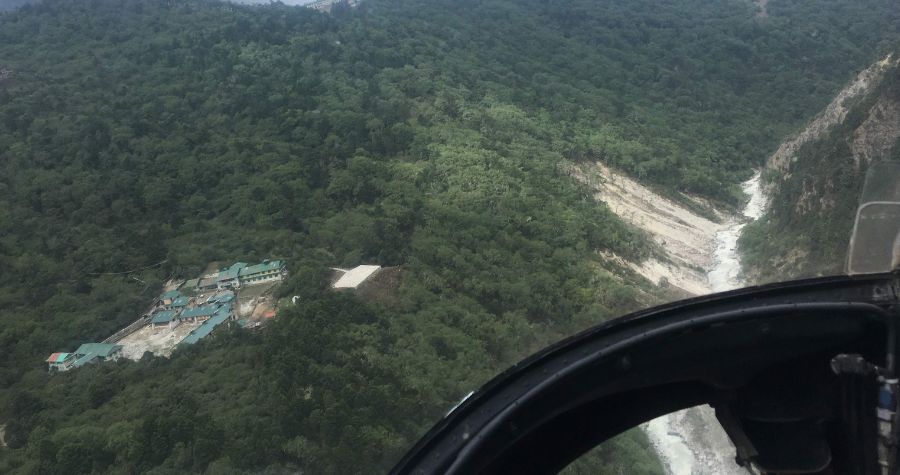
Because many trekking routes lack road access, helicopter rescue in Nepal has become a vital safety system. When a trekker becomes seriously ill or injured, helicopters can transport them from high-altitude villages to medical facilities within hours.
For genuine emergencies, these services save lives.
But where there is money involved, systems can sometimes be abused.
The Emergence of Helicopter Rescue Fraud
Over the past decade, international travel insurers and tourism authorities have raised concerns about a growing number of suspicious rescue cases in the mountains.
In some reported situations, trekkers with mild symptoms or temporary discomfort were encouraged—or pressured—to request helicopter evacuation even when it was not medically necessary.
The reasons behind this alleged travel scam in the Himalayas are complex but often involve financial incentives. Helicopter evacuations can cost between $3,000 and $10,000, depending on location and distance.
In many cases, these costs are covered by travel insurance companies.
When unnecessary evacuations occur, insurers pay large sums for rescues that may not have been required. Over time, this has raised alarms among international insurance providers.
How the Scheme Can Work
Investigations by tourism authorities and law enforcement agencies have revealed patterns suggesting how fraudulent helicopter rescue practices may sometimes occur.
In certain cases:
- A trekker reports feeling unwell, often due to mild altitude symptoms.
- Local intermediaries suggest that evacuation is the safest option.
- A helicopter is requested through insurance approval channels.
- The evacuation is carried out even though the situation may not be life-threatening.
While many cases involve legitimate medical concerns, authorities have identified patterns suggesting some evacuations were unnecessary.
Because of these concerns, Nepal’s tourism authorities and police have begun monitoring rescue operations more closely.
Impact on Trekkers and Insurance Companies
The consequences of fraudulent evacuations extend far beyond a single rescue flight.
For travelers, insurance companies have begun tightening their policies for Trekking safety in Nepal. Some insurers now require additional verification before approving helicopter rescues.
Others have increased premiums for trekking in high-altitude regions.
For genuine emergencies, these stricter procedures can sometimes delay evacuation approvals, which is worrying for trekkers who truly need immediate medical assistance.
In other words, fraudulent rescues can unintentionally make it harder for real emergencies to receive rapid help.
Damage to Nepal’s Tourism Reputation
Nepal’s economy relies heavily on tourism. Adventure travel, mountaineering, and trekking attract visitors from around the world.
The country’s tourism image is built on authenticity, natural beauty, and the hospitality of local communities.
However, reports of helicopter rescue scams in Nepal have occasionally appeared in international media, raising concerns among travelers.
Even a small number of fraudulent cases can damage trust.
Potential visitors may begin to question the integrity of trekking systems or worry about being pressured into unnecessary evacuations.
For a nation where tourism supports thousands of livelihoods—from guides and porters to hotel owners—maintaining trust is critical.
The Reality: Most Operators Are Ethical
It is important to emphasize that the vast majority of trekking operators, guides, and helicopter companies in Nepal operate ethically and professionally.
Nepal’s trekking industry has built a global reputation for adventure tourism through decades of experience and dedication.
Local guides often play a crucial role in protecting trekkers from altitude sickness, navigating difficult terrain, and ensuring safe journeys.
Many are highly trained and deeply committed to responsible tourism.
Fraudulent cases, while concerning, represent a small minority within a much larger and reputable industry.
Steps Toward Greater Transparency
Recognizing the potential damage to the tourism sector, Nepal’s authorities and tourism organizations have begun implementing measures to improve transparency in Himalayan rescue operations.
These efforts include:
- Monitoring helicopter rescue requests more closely
- Coordinating with insurance companies
- Investigating suspicious evacuation patterns
- Promoting responsible trekking guidelines
Authorities have also encouraged better medical assessment procedures before approving evacuations.
By improving oversight and cooperation between trekking agencies, insurers, and rescue providers, the goal is to ensure that helicopter rescues remain available for those who truly need them.

Responsible Trekking for the Future
For travelers planning Nepal trekking adventures, awareness and preparation are key.
Trekkers can protect themselves by:
- Research trekking companies carefully before booking. Even some well-known or reputed operators have been linked to questionable practices, so it is important to check reviews, credentials, and transparency.
- Purchase comprehensive travel insurance that clearly covers high-altitude trekking and emergency evacuation.
- Learn about altitude sickness and how to prevent it before starting your trek.
- Follow the guidance of qualified guides and medical professionals throughout your journey to ensure your safety in the mountains.
Responsible tourism benefits everyone—from visitors seeking adventure to the communities that depend on trekking for their livelihoods.
Protecting the Integrity of Himalayan Adventure
Nepal’s mountains remain among the world’s most extraordinary travel destinations. The Himalayas offer experiences that few places on Earth can match.
Ensuring that helicopter rescue in Nepal remains a trustworthy safety system is essential for protecting both trekkers and the country’s tourism industry.
By addressing fraudulent practices transparently while supporting ethical operators, Nepal can continue to welcome adventurers from around the globe with confidence.
For trekkers, guides, and the wider tourism community, the goal is clear: preserve the spirit of adventure while ensuring that safety systems are used responsibly.
In the end, protecting the integrity of Himalayan travel benefits everyone who dreams of walking among the world’s highest peaks.